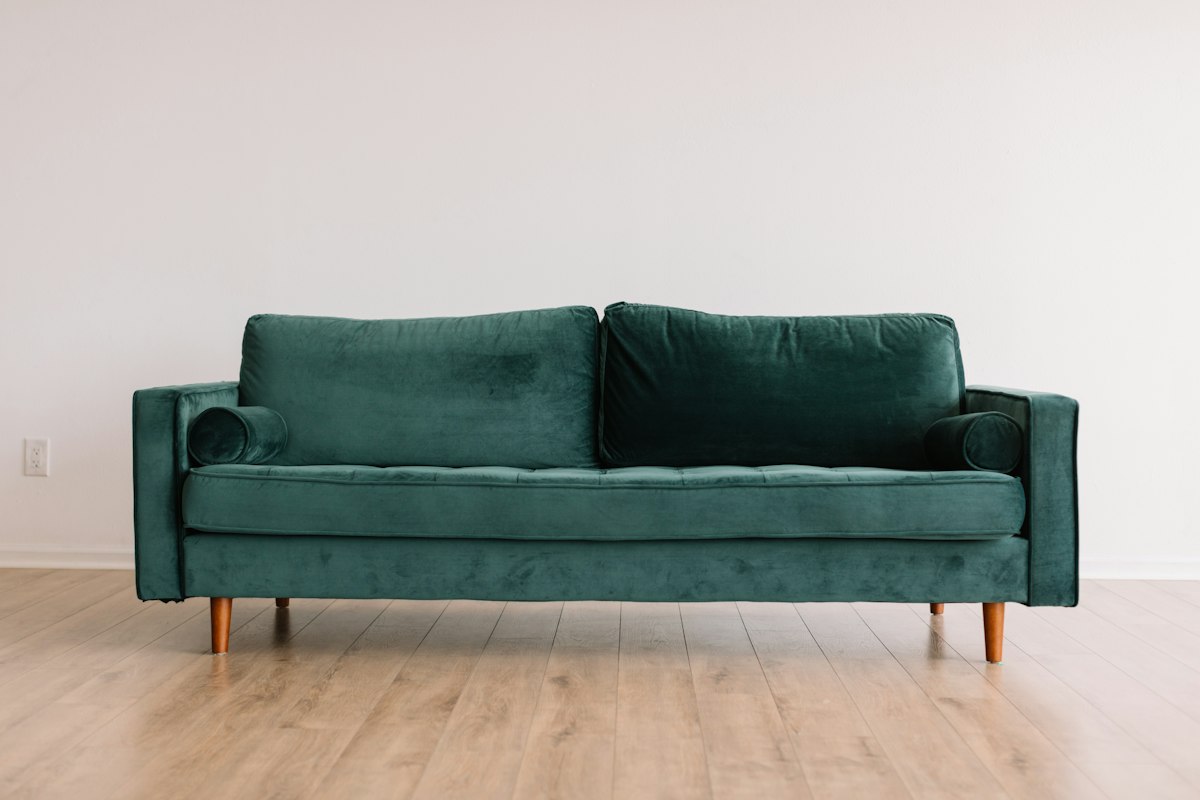
A sofa is probably the most significant furniture purchase most people make. It is almost certainly the piece they will sit on most, the piece most visible in their home, and the piece they will live with longest. It is also, remarkably, the purchase they tend to make most impulsively — based on how it looks in a showroom and how it feels in a five-minute sit-down test.
The sofa that felt comfortable for five minutes in a bright showroom may feel entirely different after four hours on a weekday evening when you're tired. The colour that looked neutral under artificial light may shift significantly in your home's light. Getting this right requires slowing down a process that shops are designed to accelerate.
The questions to ask before you look
How do you actually use it?
A sofa used primarily for upright sitting (TV watching, socialising) needs different support from one used for lying down and reading. Someone who sits cross-legged needs a deep seat. Someone who sits bolt upright needs firmer back support and a higher backrest. Define your use before you start shopping, not after.
What size does the room actually need?
The most common sofa mistake is buying one that is too large — either too long for the wall, or too deep for the distance between it and the coffee table or television. Measure the space carefully. Leave at least 45cm between the sofa and the coffee table for comfortable circulation. Tape out the sofa's footprint on the floor before buying.
What actually determines quality
The frame
Kiln-dried hardwood frames last. Softwood or MDF frames warp, creak, and fail. Ask what the frame is made of. A manufacturer who won't tell you is telling you something. Quality frames come with 10+ year guarantees.
The seat construction
Eight-way hand-tied coil springs are the traditional standard — expensive, long-lasting, and supremely comfortable over time. Sinuous (S-shaped) springs are acceptable and common at mid-range prices. Webbing alone is the least durable option. Foam quality matters enormously: cheap foam compresses permanently within a year or two. High-density foam (or foam wrapped in down) holds its shape.
The fabric
Durability is measured in "rub counts" — the number of times a fabric can be abrabed before showing wear. For a family sofa, look for 30,000 rubs or more. Wool and tightly woven fabrics perform better than loosely woven ones. If you have pets, look specifically for fabrics marketed as pet-friendly or opt for leather, which is easier to clean and remarkably durable.
The test sit: Sit on a sofa in the showroom for at least fifteen minutes in the positions you actually use. Lie down if you lie down at home. Sit cross-legged if that's how you sit. Five minutes is not enough to know anything useful. If the shop won't let you sit for longer, that's information too.
The colour and fabric decision
Neutral tones — warm greys, taupes, off-whites, natural linens — are the reliable choice for a piece that will anchor your room for a decade. Bold colours and patterns look beautiful in showrooms and become exhausting after two years. The exception: if you are completely certain your aesthetic won't change and your room is designed around that specific colour. Most people are not that certain.